


How Should Kidney Patients Care for Their Heart? A World Heart Day Guide (Sept 29)

Did you know people with chronic kidney disease are more likely to die from heart disease than from kidney failure itself? Many families preparing a loved one for dialysis focus on treatment logistics, diet, and daily routines — but often overlook something just as critical: the heart.
This World Heart Day, observed every September 29th, let's look at why kidney disease and heart disease are so closely linked, and what kidney patients — especially those in Stage 5 CKD or starting dialysis — can do to protect their heart for the long run.

Why the Kidneys and Heart Are So Closely Connected
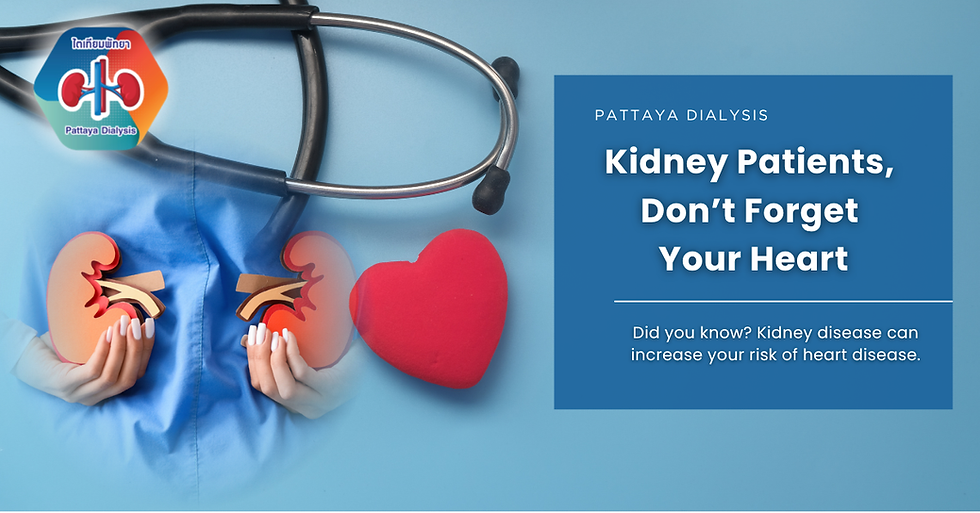
The kidneys and heart work as a team. Kidneys filter waste and balance fluid and salt levels in the body. When kidney function declines, especially in end-stage kidney disease, the body retains excess fluid and sodium, raising blood pressure. Over time, the heart works harder to pump blood, becoming enlarged and weaker.
Kidney failure also disrupts potassium and phosphorus levels, which directly affects heart rhythm. Anemia, common in CKD patients, adds even more strain on the heart. This is why doctors monitor heart health closely alongside kidney treatment.
Warning Signs Not to Ignore

Kidney patients should watch for and report these symptoms right away:
Unusual fatigue or shortness of breath, especially when lying flat
Swelling in the legs or feet, or sudden rapid weight gain
Heart palpitations or irregular heartbeat
Chest tightness or pain
6 Ways Kidney Patients Can Keep Their Heart Strong

1. Keep blood pressure under control — High blood pressure damages both kidneys and heart. Monitor it regularly and take medication as prescribed without self-adjusting.
2. Limit sodium and fluid intake — Excess salt and fluid cause water retention, forcing the heart to work harder. Follow your doctor's or dietitian's fluid guidelines closely.
3. Manage potassium and phosphorus intake — Avoid high-potassium foods like bananas, oranges, and tomatoes, and processed foods with hidden phosphorus, to prevent irregular heartbeat.
4. Exercise gently and consistently — A 15–20 minute daily walk or light movement supports heart and vascular health — always check with your doctor first, especially if you're on dialysis.
5. Never skip scheduled dialysis sessions — Missed sessions let waste and fluid build up, directly harming the heart. Consistency is key to protecting your heart.
6. Get regular heart check-ups — Kidney patients, especially older adults, should have regular ECGs and check-ups to catch heart problems early.
World Heart Day: A Reminder to Start Caring for Your Heart Today

World Heart Day each September 29th is more than an awareness campaign — it's a reminder that the best kidney care includes heart care.

For families with an elderly loved one starting dialysis, choosing a clinic that manages both kidney treatment and heart-related complications matters. At Pattaya Dialysis Clinic, alongside hemodialysis meeting Thai Nephrology Association standards, our medical team provides nutrition and medication counseling and manages complications like high blood pressure and fluid overload that directly affect the heart — all in a warm, home-like environment, open every day. If you or someone you love is looking for comprehensive dialysis care, talk to our medical team today.


Comments