


How Long Can You Live with End-Stage Kidney Disease?
- Chonnikan M.
- May 24
- 6 min read

"Dad is 72 years old. The doctor said his kidneys have reached the final stage... How much longer can we care for him?"
This is a question many families are facing right now. The worry, the fear, and the uncertainty about what comes next are all completely understandable feelings in this situation.
End-Stage Renal Disease (ESRD) is the condition in which the kidneys have lost more than 85–90% of their function and cannot be restored. As frightening as that sounds, the truth is that with the right treatment, many patients can go on to live meaningful, quality lives for years to come.
This article will answer the questions every family wants to know — about life expectancy, the factors that matter, treatment options, and how to best care for an elderly loved one with kidney disease.
What Is End-Stage Kidney Disease and Why Is It So Serious?

Chronic Kidney Disease (CKD) is divided into 5 stages based on the kidney filtration rate (eGFR). When a patient reaches Stage 5 — end-stage kidney disease — the kidneys have nearly stopped functioning altogether.
At this point, the body can no longer filter out waste, excess fluid, or toxins on its own. Without dialysis or a kidney transplant, these substances accumulate in the body and become life-threatening.
Warning Signs of End-Stage Kidney Disease

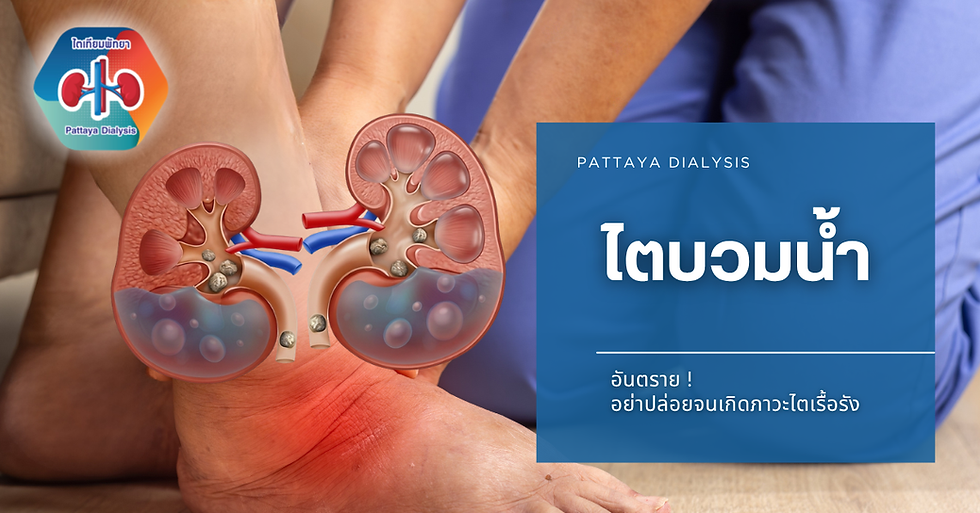
• Severe swelling in the hands, feet, and face
• Shortness of breath and fatigue even with light activity
• Persistent nausea, vomiting, and loss of appetite
• Little to no urine output
• Itchy, pale, or abnormally dark skin
• Mental fog, confusion, and memory problems
End-Stage Kidney Disease: How Long Can You Live? The Truth You Need to Know

The question every family most wants answered is: "How much longer?" The answer is not fixed — it depends on many factors.
Patients Who Receive No Treatment
Without dialysis or a kidney transplant, patients with end-stage kidney disease typically survive only a few weeks to a few months. Waste products in the blood accumulate rapidly and become dangerous to vital organs.
Patients Who Undergo Regular Dialysis

Once a patient begins regular hemodialysis, they can continue living for years. General averages are as follows:
• Average dialysis patient: 5–10 years after starting dialysis
• Younger patients (under 40) with good overall health: potentially 20–30 years
• Elderly patients or those with comorbidities (diabetes, hypertension): approximately 2–5 years
These are averages — many patients have been on dialysis for 20–30 years and continue to live with a good quality of life.
Patients Who Receive a Kidney Transplant
A kidney transplant is the best option for eligible patients. Transplant recipients generally have significantly better life expectancy than those on dialysis and can live a life much closer to normal.
Factors That Determine How Long a Kidney Patient Can Live

Several factors influence the life expectancy of someone with end-stage kidney disease — and families and patients can control some of them.
1. Age and Overall Health
Younger patients without other underlying conditions tend to have longer life expectancy after starting dialysis. Elderly patients with multiple comorbidities — such as heart disease, diabetes, or high blood pressure — may face higher risks.
2. The Underlying Cause of Kidney Disease
Kidney disease caused by uncontrolled diabetes or high blood pressure often leads to a worse prognosis, since these conditions also affect the heart and blood vessels.
3. Consistency of Dialysis Treatment
Following the prescribed dialysis schedule — typically 3 sessions per week, each lasting about 4 hours — directly affects life expectancy. Patients who frequently miss sessions face a significantly higher risk of complications.
4. Dietary Control
Diet plays a crucial role for kidney patients. Those who successfully manage their intake of potassium, phosphorus, sodium, and protein experience fewer complications and better overall quality of life.
5. Mental Health and Emotional Support
Having a supportive family and a positive outlook can meaningfully extend life and improve daily happiness. The emotional environment matters just as much as the medical one.
Treatment Options for End-Stage Kidney Disease
1. Hemodialysis (Blood Dialysis with a Dialysis Machine)

This is the most common treatment in Thailand. The dialysis machine filters waste products and excess fluid from the blood in place of the failing kidneys. Sessions are typically held 3 times per week at a clinic or hospital equipped with dialysis machines.
A key advantage of hemodialysis is that a medical team — doctors and specialist nurses — monitors the patient closely at every session and can detect any problems promptly.
2. Peritoneal Dialysis
This is an option for patients who prefer to perform dialysis at home. A special fluid is introduced through a tube into the abdominal cavity, which acts as a filter. It is suitable for patients who live far from a clinic or find frequent travel difficult, but it requires strong discipline and proper training.
3. Kidney Transplant
This is the best option in terms of quality of life, but it comes with significant limitations: finding a compatible donor takes time, the waiting list is long, and the patient must undergo thorough health evaluations before being approved.
Caring for Elderly Patients with Kidney Disease

Elderly patients with end-stage kidney disease require more specialized care than younger patients. Their bodies are more fragile, they often have multiple comorbidities, and they may struggle to care for themselves independently.
Nutritional Care
• Limit potassium: avoid bananas, oranges, tomatoes, and large amounts of raw vegetables
• Control phosphorus: reduce milk, cheese, legumes, and processed foods
• Restrict fluid and sodium intake: watch for water retention and high blood pressure
• Balanced protein intake: not too much, as excess protein burdens the kidneys
Emotional and Social Support
Having to attend dialysis sessions multiple times a week can make patients feel their freedom is limited. Families should encourage enjoyable activities on non-dialysis days, provide emotional support, and help the patient feel valued and included in family life.
Transportation to Dialysis
Getting to and from dialysis is a major logistical concern for elderly patients. A clinic that is conveniently located, has easy parking, and offers a warm, stress-free atmosphere helps ensure patients arrive on time and don't skip sessions.
Warning Signs That Require Immediate Medical Attention

Even while under treatment, certain symptoms require urgent medical attention:
• Sudden severe swelling, especially in the face and legs
• Difficulty breathing or chest tightness
• High fever or signs of infection around the AV fistula (dialysis access site)
• Unusually high or low blood pressure
• Irregular or racing heartbeat
• Sudden drowsiness, loss of consciousness, or severe confusion
Frequently Asked Questions from Families

Q: Can elderly patients aged 70–80 still undergo dialysis?
Yes. Age alone is not a contraindication for dialysis. The doctor will assess the patient's overall physical condition to determine whether dialysis can be performed safely. Many elderly patients do very well on dialysis and maintain good quality of life in their final years.
Q: If the patient doesn't want dialysis, are there other options?
Yes. If the patient or family chooses not to pursue dialysis (known as Conservative Management), doctors will provide supportive care focused on symptom control and maximizing comfort and quality of life. This is a deeply personal decision that should be made in close consultation with the medical team and family.
Q: Can patients still do normal activities after starting dialysis?
In many cases, yes. Patients can still enjoy hobbies, go on outings, socialize, and pursue leisure activities on their non-dialysis days — depending on their overall physical condition.
Conclusion: Life Can Go On with the Right Care

"How long can someone live with end-stage kidney disease?" is not a question with a single answer. It depends on the treatment chosen, the quality of ongoing care, and each patient's individual circumstances. What is clear is this: starting dialysis properly and consistently, combined with careful dietary management, emotional support, and close medical monitoring, can significantly extend life expectancy and improve quality of life.

For patients and families in the Pattaya area and surrounding regions, Pattaya Dialysis Clinic offers hemodialysis services that meet the standards of the Nephrology Society of Thailand, delivered by a team of specialist physicians and nurses. The clinic provides a warm, clean, and comfortable environment, open every day from 6:00 AM to 8:00 PM, and accommodates a wide range of health coverage plans. For those seeking comprehensive elderly care alongside dialysis treatment, Pattaya Nursing Home also offers monthly residential care — simply contact us to arrange both services together.
If you're looking for a trusted dialysis clinic in Pattaya and Chonburi, call us today at 082-657-7699 or message us on LINE: @pattayadialysis. Our team is happy to provide guidance and book an appointment at no charge.













Comments